.png?ext=.png)
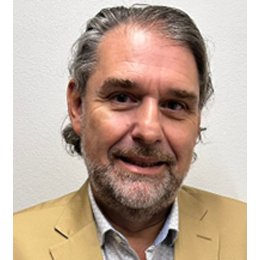
For more than 30 years he has held positions in relevant industry Chile and Brazil in relevant industries of Consumer goods like food, beverages household cleaning, hygiene and disinfection.
Since January 2020 he has held the position of President of ALIADA, Latin American Association of Cleaning, Cleaning, Household Sanitary and Related Products Industries.
He also is the chairman of AGAD Chile, the Chilean Cleaning and Disinfection Trade Association,
He represent Chile's private sector in the negotiation of trade technical barriers for commerce of the Domestic Cleaning products Chapter of the Pacific Alliance.
He is part of the first Board of Directors who create a private Integrated Management System (GIS) for waste management in Chile, who has a name of ReSimple, in compliance with the Extended Producer Responsibility Law (EPR Law) for containers and packaging.
For more than 10 years, he worked in the Coca Cola system, in bottling plants in Brazil and Chile.

Bio to come!
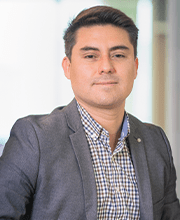
Jorge is a Consultant at Euromonitor International with a focus on Home & Tech industries. Based in Santiago office, he has more than 5 years of experience in the industry.
Jorge commissions the research for Argentina, Chile, Colombia and Peru mainly, being Home Care and Tissue & Hygiene his main areas of specialization, providing consumer insights and local knowledge about these industries.
Jorge advises companies in their industries, not only providing them with the strategic market information necessary for decision-making, but also attending to their research needs in order to cover relevant topics for clients. Jorge is regularly quoted in key publications among the region such us La Tercera (Chile), La República (Colombia), El Comercio (Peru), America Economía (Chile), among others.

With more than 18 years of work experience in Regulatory Affairs, Carla El-Hage Lacerda is Regulatory Affairs Director - Latam, at Reckitt Benckiser.

Biomedical, Master in Medical Sciences. Regulatory affairs expert acting for over 12 years. Responsible for the Sanitizers Division in Vigna Brasil

Dr. Thu Landry is the R&D Manager for Home Care Applications at Indorama Ventures: Indovinya, where she leads the development of sustainable, high-performance cleaning solutions. With a Ph.D. in Chemical Engineering and over a decade of experience in surfactant chemistry, she bridges scientific expertise with practical innovation. Dr. Landry is passionate about translating chemistry into consumer value and is an active contributor to industry research and collaboration.
Bio to come!

Hernán Guerson holds a degree in Food Science and an MBA, with 15 years of experience in the international B2B fragrance, biotech and FMCG industries. Throughout his career, he has worked closely with leading home care consumer goods companies across Latin America, Europe, and the Middle East.
He has held senior account management and business development roles in multicultural environments and is passionate about delivering innovative, consumer‑relevant solutions that transform advanced technologies into successful market applications.
Now based in Buenos Aires, Hernán serves as Account Manager and Business Development Manager for Household Care at Novonesis, focusing on delivering sustainable, high–value‑added biosolutions for his clients.
Hola! Soy Sergio Pedraza, representante de ventas en Ballestra S.p.A. para LATAM, líder global en el diseño y suministro de plantas industriales y líneas de terminado personalizadas para la producción eficiente de detergentes, tensoactivos, jabones y fertilizantes.
En Ballestra, nos especializamos en colaborar estrechamente con empresas que valoran la confiablidad, la sostenibilidad en sus procesos y buscan soluciones a la medida para su proceso productivo. Nos enorgullece trabajar con clientes que están sacando el máximo de su capacidad productiva, están comprometidos con la reducción de su huella ambiental y la gestión eficiente de recursos y de su dinero, y que desean mantenerse a la vanguardia del mercado o quieran incursionar en otros nichos del mercado de HomeCare y PersonalCare.
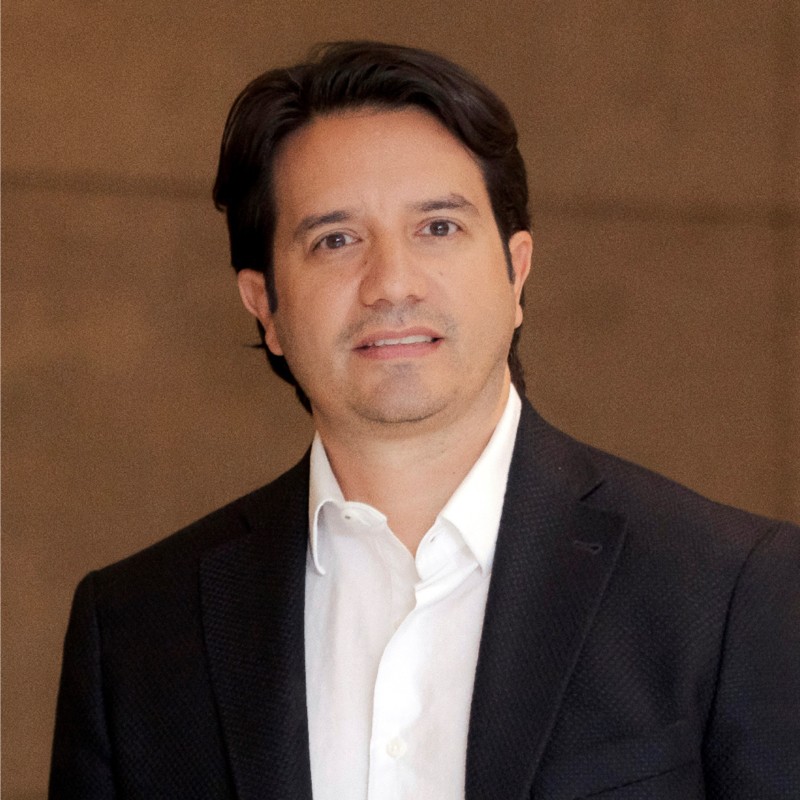

Roberto es un destacado ejecutivo argentino con más de 25 años de trayectoria liderando empresas multinacionales de consumo masivo, con un sólido recorrido en corporaciones como Mondelez y Kimberly-Clark en Argentina, Latinoamérica, Africa y Medio Oriente.
Desde noviembre de 2024 se desempeña como CEO de Dreamco, empresa líder en productos de cuidado personal y del hogar. Desde su rol, ha encabezado la transformación estructural y cultural de la compañía, consolidando su liderazgo de mercado a través de marcas emblemáticas como Ariel, Ace, Magistral, Plusbelle, Zorro y Okebon entre otras, logrando alinear con éxito la cultura organizacional con la nueva visión estratégica del negocio.
Su enfoque profesional destaca por una gestión basada en el desarrollo de estrategias comerciales sólidas y la cercanía con el consumidor, priorizando la empatía y la adaptación local como los verdaderos motores del crecimiento corporativo.

Juliana Pantalena is a seasoned executive with 15+ years of experience in the chemical industry, specializing in the Agrochemical and Home & Personal Care markets. As Americas Commercial Director at Moeve Chemicals, she leads commercial strategy and business expansion across key markets in the region, focusing on driving growth, optimizing operations, and developing high-performing teams. With a Chemical Engineering degree and an MBA in Marketing, Strategy, and Business Management, Juliana has a proven track record of strategic leadership, having held key roles at global chemical companies. She has extensive international experience across Latin America, the USA, and Europe, working in business development, strategic planning, customer relationship management, and sustainability initiatives. Throughout her career, she has successfully led global marketing transformations, implemented high-impact commercial strategies, and spearheaded product innovation to drive long-term business growth. Fluent in Portuguese, English, and Spanish, Juliana is passionate about driving innovation, expanding markets, and shaping the future of the chemical industry with a focus on sustainable growth and business excellence.
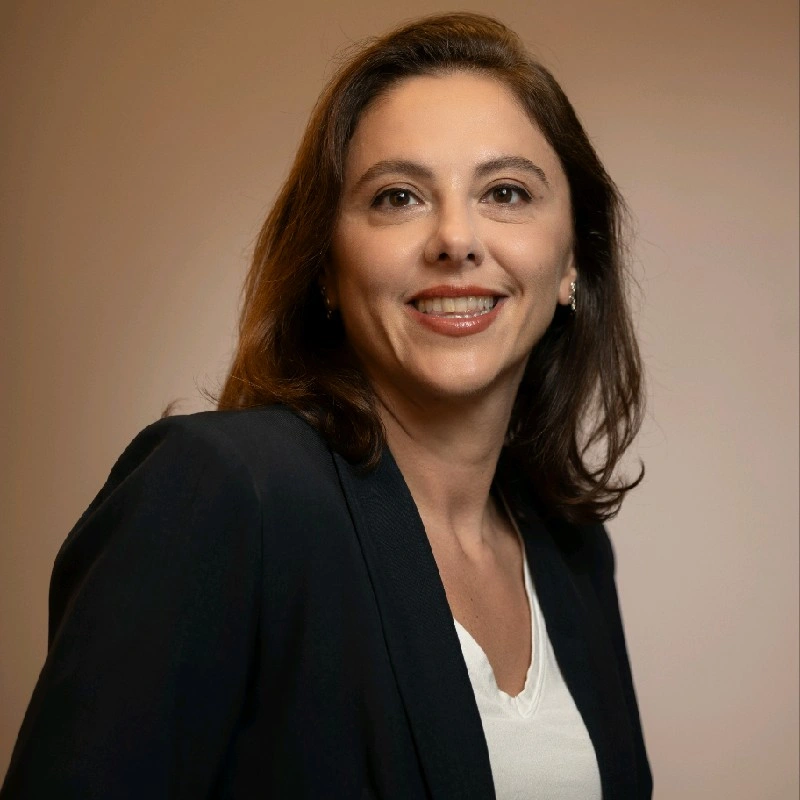
Química Industrial com Executive MBA pela Fundação Dom Cabral. Atualmente, é Gerente Sênior de Assuntos Corporativos da Unilever Brasil, Presidente da Abipla (Associação Brasileira das Indústrias de Produtos de Limpeza), do Instituto Nacional de Desenvolvimento da Química (IdQ) e do Conselho Fiscal do Instituto de Relações Governamentais (IRELGOV). Também atua como Diretora do Departamento de Desenvolvimento Sustentável da Federação das Indústrias do Estado de São Paulo (FIESP), Conselheira da ABIA (Associação Brasileira da Indústria de Alimentos) e do Confem (Conselho Superior Feminino/FIESP).
Luiza Gatto is an Industry Specialist at Novonesis, with 15 years of experience in the Home Care market. She holds a degree in Biochemistry from the Federal University of Paraná and Université Paris XI, and has extensive experience in the development of laundry and dishwashing products in Latin America, with a strong focus on enzyme application to enable more efficient and sustainable formulations through digital tools.

Dr. Borja Rodríguez holds a Ph.D. in Chemical Engineering. He has nearly 20 years of experience spanning academic research and applied industrial R&D, building a strong foundation that bridges fundamental science with real-world applications.
Based in Madrid, Dr. Rodríguez has been part of Moeve Chemicals (formerly Cepsa) for over a decade, where he has held different roles within the R&D Surfactants business, including leading the Surfactants Products and Applications Development Laboratory. Today, he serves as Technical Customer Developer for global, LATAM, and Asia-Pacific accounts, working closely with Home and Personal Care customers to co-develop effective and sustainable formulation solutions.
.png?ext=.png)
With over 15 years of experience in the chemical industry, Jose Luis specializes in Home Care, Personal Care, and industrial applications across Latin America and North America. Jose Luis began his career in Latin America and later relocated to the New York area USA, where he built extensive expertise in the U.S. and Canadian markets, giving him a comprehensive and holistic perspective of the industry across the Americas.
He brings extensive experience in commercial strategy and product formulation, with a strong background working with enzymes, surfactants, dyes, and pigments.
Jose holds an MBA from The City University of New York a Master’s degree in Industrial Engineering, and a Bachelor’s degree in Chemistry, combining strong technical expertise with advanced business and strategic leadership capabilities.
Fluent in English, Spanish, Jose Luis brings a global perspective and deep regional insight into emerging trends and opportunities.
As a speaker at Cleaning Products Latin America, he shares practical insights on market dynamics, growth strategies, and innovation within the home care industry, with a strong focus on international expansion and customer-centric solutions.
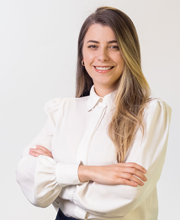

Bio to come!
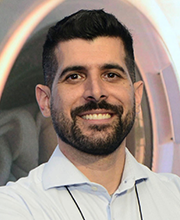

Fabrizio is the Head of Application Development Home Care for the Americas region at Clariant. He is responsible for implementing the technical strategy, managing the pipeline, and coordinating projects related to innovation, performance optimization, cost savings, and sustainability for home care, fabric care, and industrial cleaning. As the focal point for technical assistance to clients, he leads a multifunctional team at Clariant’s Home Care laboratory in Brazil.
Over the past 16 years in the chemical industry, he has gained comprehensive and diverse experience, ranging from synthesizing raw materials to developing products such as laundry detergents, fabric softeners, disinfectants, and cleaners, modulating their properties and performance. As result, he has been involved in optimizing synthetic routes for over 15 raw materials, developing more than 10 innovative products, and conducting over 25 ideation workshops with clients.
Fabrizio has led & participated in several major projects including laboratory relocation, post-merger acquisition & integration, and more. These initiatives have translated into experience navigating cross-functional areas such as sales, marketing, production, and human resources.
Fabrizio holds an MBA from Insper, specialization degree in Data Analysis and Data Mining from FIA, and a bachelor’s degree in chemistry from IQ/UNICAMP, with an exchange program at the University of Salamanca - Spain.
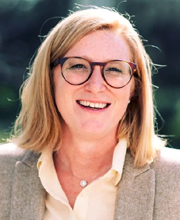

Celeste was born in Argentina, where she graduated as Biochemist from Universidad John F. Kennedy, and finished the Leadership in Systemic Innovation master at ITBA.
More than 10 years of experience, developed in Pharma and Multinational CPG companies, leading Quality and R&D departments responsible for implementing regional project across Latam, Middle East and Southeast Asia.
Currently working as the R&D lead for the, The Clorox Company LATAM Business Unit driving the innovation agenda thru strategic project pipeline seeking to deliver sustainable innovation that impact people life’s and improve their day to day.
Celeste, is a one kid devoted mother; She is a sport enthusiast and has led efforts to boost the development and growth for young students thru internship programs within The Clorox Company
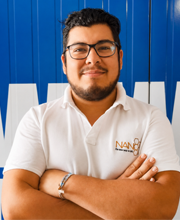

Gustavo Sessarego Correa is a Doctor of Science with a specialization in Chemistry, as well as an Industrial Chemist and Bachelor of Chemistry. He currently leads research, development, and innovation activities at NanoTC, focusing on the application of functional nanomaterials to industrial challenges.
His experience combines electrochemistry, materials science, nanotechnology, chemical formulation, functional coatings, and technical validation processes. He has worked on the development of solutions aimed at improving the performance of industrial matrices through the incorporation of copper nanoparticles, graphene oxide, and other functional systems, addressing challenges related to protection, durability, stability, antimicrobial performance, and resistance to aggressive environments.
In his R&D+i role, he promotes the connection between scientific research and industrial application, participating in experimental design, data analysis, technology scale-up, and the development of solutions adapted to specific technical requirements.
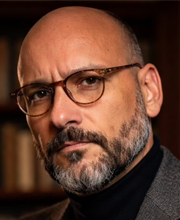

Alex Godoy-Faúndez es académico, asesor en política climática de entidades intergubernamentales y del Gobierno de Chile, además y experto en sostenibilidad, economía circular y gestión estratégica de recursos.
Es Profesor Asociado y Director del Centro de Investigación en Sustentabilidad de la Universidad del Desarrollo, con vínculos académicos en la Universidad de Harvard y Columbia como Investigador Asociado.
Ha asesorado a ministerios en Chile y participado en procesos internacionales sobre cambio climático, economía circular y contaminación plástica. En el sector privado, impulsa estrategias ESG, innovación y transición sostenible. Además, integra el directorio de Giro Recicla, contribuyendo al desarrollo de soluciones circulares para la gestión de residuos y la valorización de recursos.